

Michael Julian
Second Generation CEO

Everyone has an opinion on integrity. The question is what you will do when you witness misconduct. The reaction to the misconduct comes down to answering several questions. Were you given the training to spot the misconduct? Were you given the reporting mechanism? Is there a culture of integrity in your organization? Does your immediate supervisor support candor? Do you have role models who have integrity? Do you have the strength to weather a period of uncomfortableness and a strong moral compass?
As I get farther away from my time in the FBI, I have reflected on the employee misconduct I witnessed during my career. This reflection has been amplified by recent events involving the leadership of the FBI.
During my time as a first line manager in the FBI, I had a zero tolerance for nonsense. The concept of "nonsense" was the application of my own "bright line" on dishonesty and misconduct in the workplace. Every one of my employees knew to show up on time, work hard, never lie and look/act the part of an FBI agent. During my time as a squad supervisor, I was promoted to Supervisory Senior Resident Agent (SSRA). This position was the senior supervisor among the four local agent supervisors. The SSRA was the office manager and the face of the FBI when Los Angeles headquarters leadership could not make meeting with local law enforcement executives. The job had all the responsibility and no pay raise. The job also included being the lead risk manager for the FBI regarding the employees assigned to the three resident agency offices overseen by the four agent supervisors. Risk management meant keeping Los Angeles HQ informed about all issues, problems and challenges that may negatively impact the organization. This is where the friction point occurred with certain members on FBI upper management.
My office was configured in a way that I could watch every employee walk by my office as they entered the workspace. I could immediately spot "problem children" from appearance and demeanor as they walked by. I began noticing one agent who I will call, "Agent X," wearing mono-colored clothing with shorts. Agent X was on the squad that handled drug investigations and not assigned to me. My squad handled public corruption and financial crimes. Agent X would wear bright red athletic shoes, matching red shorts, shirt and an all-red baseball hat, the next day the entire outfit would be blue, then green, then black, then maroon. This must have cost a fortune to purchase as well as the closet space to organize. Around this time (2012), I began to hear stories that Agent X was involved in inappropriate behavior with female co-workers. I had a conversation with his supervisor who basically stated, "boys will be boys." I told the supervisor that he needed to send that agent to another office, as soon as possible. He stated, he could not do that because they were friends.
A few weeks later, I received a complaint from a lawyer giving a description of an agent that resembled Agent X who allegedly was behaving inappropriately with his client. The lawyer later sent a photo confirming Agent X as the person who was behaving in a deeply inappropriate manner. I notified Internal Affairs as Agent X's alleged behavior would negatively impact ongoing investigations. I had also notified the chain of command about another agent who was involved in misconduct and unprofessional behavior as well. Neither of these agents were assigned to me. Per my training in the FBI Academy, I had a duty to report suspected misconduct. After notifying Internal Affairs (Office of Professional Responsibility - OPR), the Special Agent-in-Charge (SAC) summarily demoted me back to my supervisor duties and made Agent X's supervisor the SSRA. I was apoplectic until I chatted with the smartest person I know, also known as my wife. She laughed and said, "you hated that job, and they never paid you a dime extra......they did you a favor!"
Fast forward approximately twelve months and I am sitting at my desk on my birthday getting ready to leave a little early to have dinner with my family. The SAC who demoted me had been promoted out of the division and I was very happy running a squad of first-rate agents. I get a call from my boss who says, "you need to report an employee's behavior to OPR." I stated, "which one of my agents, and what did the person do." He stated, "it's not your agent, it's Agent X." I ask," why not his supervisor doing the reporting." He says, "Chief Division Council wants you to do it because you are the Public Corruption Supervisor and Agent X is friends with his supervisor." I proceed to interview Agent X's supervisor and find out that Agent X had just been promoted to FBI HQ, Washington D.C. The agent that took Agent X's position at the drug task force found drug evidence that Agent X never booked into evidence storage. Agent X was also suspected of stealing money from a drug seizure. I made the report to OPR and was asked to stay on the investigation until the Department of Justice - Office of Inspector General was up the speed. Digging deeper showed several instances in which Agent X seized evidence on search warrants and had the drugs, guns and documents placed in evidence storage. In every instance, the money seized by Agent X was purported to have been sent to asset forfeiture but there was no record of the receipt of the currency. A few weeks after submitting my report, Agent X was fired and later successfully prosecuted for theft of government funds. A few months after investigation into Agent X started, Dave Bowdich was appointed to lead the Los Angles Division and one of his first acts was promoting me back to SSRA. The supervisor of Agent X was eventually suspended and allowed to quietly retire. I recognized Mr. Bowdich was taking a risk as several other managers encouraged him not the reinstate me back to SSRA.
After being reinstated as the SSRA, I went back to managing a busy squad and continuing the manage risk in the office. Approximately eleven months later, the San Bernardino/Waterman Terrorist attack occurred San Bernardino Shooting Kills at Least 14; Two Suspects Are Dead - The New York Times (nytimes.com). My original role was to give investigative support to the terrorism squads as needed. I eventually assumed the role of the Logistics Manager for the Command Post that ran around the clock with approximately 100 agents for 20 days. I was privileged to work alongside Mr. Bowdich as he demonstrated leadership and a calm presence in the face of controlled chaos. Mr. Bowdich's efforts to reward my integrity was the greatest motivator I ever received from a manager. His commitment to integrity earned my trust.
There is no upside for reporting another employee's misconduct in any organization. Every organization says the right things, but behavior does not change until the senior managers have skin in the game. The reporting employee will always wonder if he is violating some sort of trust among co-workers. Regardless or your industry, reporting misconduct is not a career enhancer. I was very lonely during this time because the weak in the office did not want to get involved.
Theodore Roosevelt said, "Character in the long run is the decisive factor in the life of an individual and nation alike." "Doing the right things for the right reasons," is absolute. The agent I reported undermined the integrity of the entire organization and negatively affected good order and discipline. Integrity is easily lost and hard to regain.
Mr. Bowdich's leadership example showed me that rewarding an employee's ethical behavior motivated the employee to work harder and earned their trust. I quickly got a local reputation for being the rule follower. Employees of solid integrity wanted to work with and for me. The employees with low moral character took great efforts to stay away. New agents who did not have the political capital to complain would confide if they witnessed indiscreet behavior among agents. The Division leadership always took my calls. My bosses later in my career recognized my hard-headed approach to integrity was an asset as I never had a case declined by the U.S. Attorney's office. I made it to retirement with my reputation intact, and with absolutely no regrets.

Since 1967, MPS Security & Protection has delivered professional protective security grounded in respect, coordination, and discretion. We’re a 3rd-generation firm with longstanding client relationships and worldwide connections.
“No two clients are the same, and neither are their needs. We protect what matters most, so you don't have to.” — Our protection is tailored to your risks, lifestyle, and operations.


Experts in Executive Protection and Uniformed Security.
Second Generation CEO

President
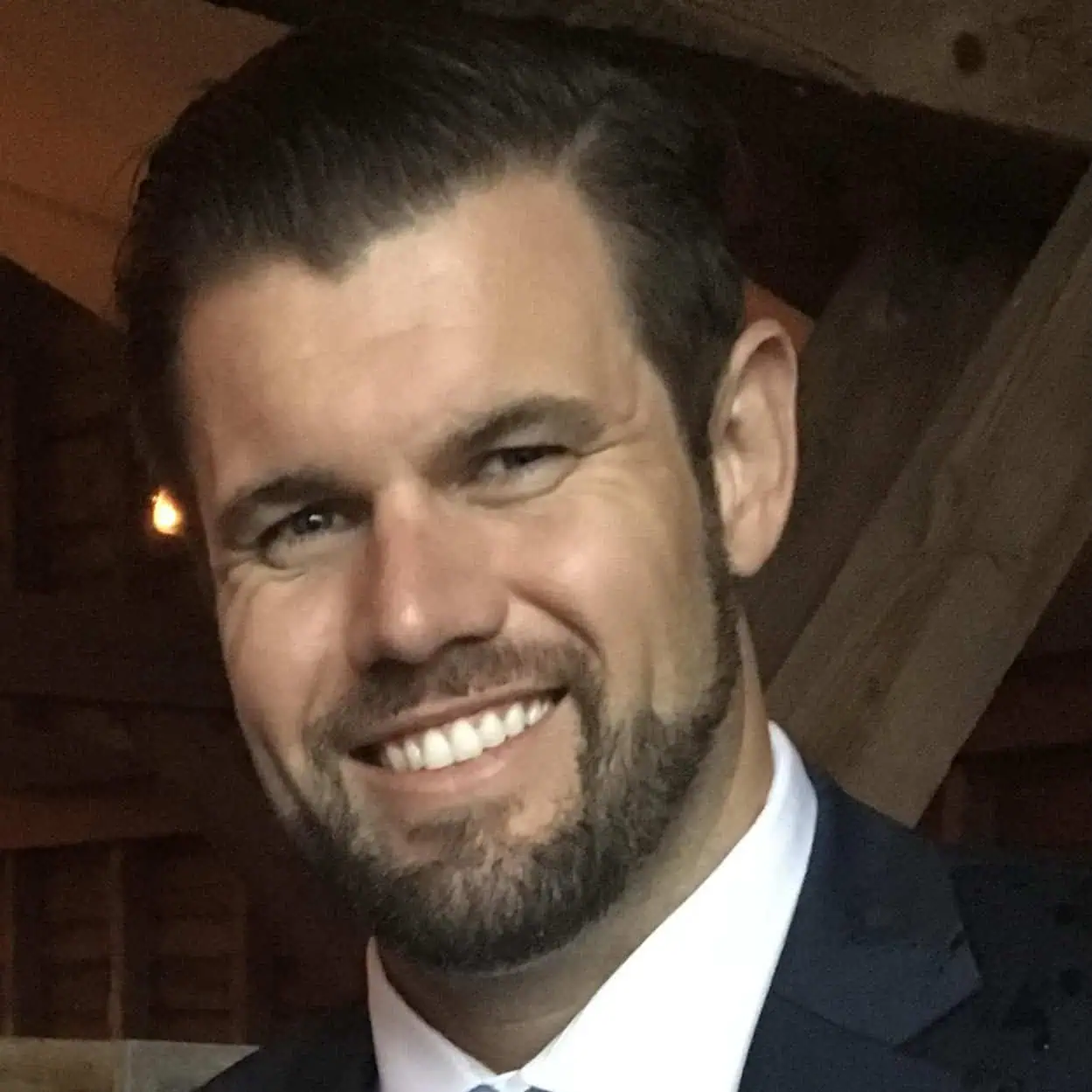
Executive Protection Manager
Uniform Security Manager
RST teams safeguard homes and families with 24/7 protection and low-profile coverage.
We’re always looking for professional Executive Protection Agents and Uniformed Security Officers. Apply through our portal.
Let’s discuss your needs and design a protection plan that fits your risk profile.
Advancements in artificial intelligence and robotics are transforming industries at an unprecedented pace. While these technologies are driving innova… By: Michael D. Julian An executive protection firm provides specialized security services designed to protect high-profile individuals, executives, and those exposed to ele… By: Michael D. Julian Business security refers to the strategies, systems, and personnel used to protect an organization’s physical environment, people, and assets. It in… By: Michael D. Julian Physical Security: What It Is and Why Every Organization Needs It By: Michael D. Julian When people think about security failures, they often imagine large, obvious breakdowns. In reality, most incidents begin with small oversights that g… By: Michael D. Julian Many organizations approach security by implementing one or two protective measures and assuming the environment is adequately protected. This might i… By: Michael D. Julian Many people imagine security incidents as sudden and dramatic events. In reality, most incidents begin as small disturbances. A disagreement between g… By: Michael D. Julian Many organizations conduct a security assessment when opening a facility, after a renovation, or following a specific incident. Once the report is com… By: Michael D. Julian
Executive Protection • Uniformed Security • Residential & Family Security • Travel & Event Protection MPS Security & Protection is a licensed private security company serving Southern California, Los Angeles, Las Vegas, and clients nationwide. Headquarters: Murrieta, CA info@security-mps.com Los Angeles, CA Office Las Vegas, NV Office Please enter your details and we’ll email you a link to our full application.Recent MPS Security Insights

Executive Protection in the Age of AI: Why Security Matters More Than Ever
Executive Protection Firm: What It Is and How to Choose the Right One
Business Security: How to Protect Your Property, Employees, and Customers
Physical Security: What It Is and Why Every Organization Needs It
Why Security Failures Often Start With Small Oversights
How Layered Security Reduces Organizational Risk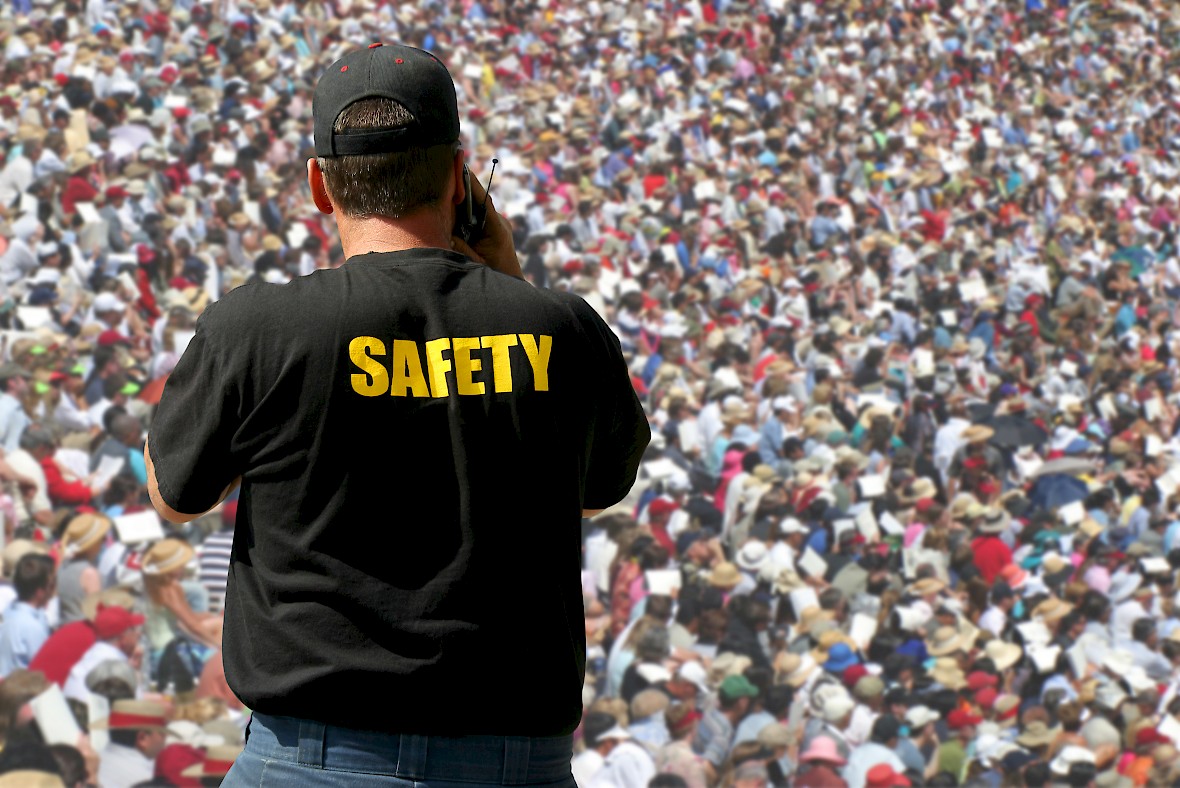
How Professional Security Prevents Escalation in Public Environments
Why Security Assessments Should Be Ongoing, Not One-Time Events
MPS Security & Protection
Website Developed and Managed by BizAutomate.ai
(951) 677-3500
213-650-4408
A satellite office is located in Los Angeles, California to accommodate our valued clients in the Los Angeles metropolitan area.
725-777-0223
MPS Security provides security services, including executive protection and uniformed agents in Las Vegas, Nevada.
 MPS Security
:
Hi! Thanks for visiting! How can I help?
MPS Security
:
Hi! Thanks for visiting! How can I help?

Executive Protection Application
Thank you! Your application link has been emailed. Please make sure to check your spam folder as well, if you don't see the email come through.