

Michael Julian
Second Generation CEO
Many organizations believe they have a security plan simply because they have security personnel on site. While presence matters, planning that is not designed around the specific environment it protects often fails when it is tested. Security is not universal. What works in one location can create gaps in another.
Effective security begins with environment-specific design.
Every environment presents a unique combination of risks, behaviors, and operational demands. Public access, traffic flow, layout, visibility, hours of operation, and purpose all influence how security should function.
A security plan designed for one setting may be ineffective or even counterproductive in another. Applying the same model across multiple locations ignores critical differences that affect response and prevention.
Security is not only about responding to threats. It is about influencing behavior. The presence, posture, and placement of security personnel shape how people move, interact, and comply.
Environment-specific planning considers:
How people enter and exit
Where congestion occurs
What areas attract attention
Where visibility is limited
How people naturally move through space
When security aligns with behavior patterns, issues are often prevented before intervention is required.
Risk is not static. A corporate office, healthcare facility, retail center, construction site, and event venue all carry different exposure levels and threat profiles.
Effective security design evaluates:
Public accessibility
Asset value
Population density
Hours of operation
Historical incidents
Operational sensitivities
Without this evaluation, coverage is based on assumptions instead of reality.
When security is deployed without environmental analysis, blind spots emerge. These may include unmonitored access points, inconsistent coverage during peak hours, or gaps during transitions such as shift changes or deliveries.
Blind spots are rarely obvious until they are exploited. Environment-specific design identifies and addresses these vulnerabilities proactively.
Security does not operate in isolation. It interacts with employees, customers, vendors, and leadership every day. Plans that do not integrate with operations often create friction, slow processes, or disrupt workflow.
Well-designed security supports operations by:
Aligning coverage with business hours
Coordinating with staff and management
Adapting to operational changes
Maintaining consistency without disruption
When security complements operations, it becomes an asset rather than an obstacle.
Environments change. Staffing levels shift. Layouts evolve. Events occur. Threats adapt. Security plans must be flexible enough to adjust without losing effectiveness.
Environment-specific design accounts for change and builds adaptability into coverage rather than relying on static deployment.
Security planning fails when it ignores the environment it is meant to protect. Generic approaches create blind spots, inefficiencies, and unnecessary risk.
Organizations that invest in environment-specific security design reduce exposure, improve response, and support operational stability. Security becomes proactive, consistent, and aligned with real-world conditions.
If your organization requires professional security planning tailored to the realities of your environment, MPS Security and Protection delivers customized security solutions designed to protect people, operations, and continuity without unnecessary disruption. Contact us today for a free consultation.
About the Author
Michael D. Julian is President of MPS Security & Protection and a 30-plus-year veteran of the security and investigations industry. He served as President of the California Association of Licensed Investigators (CALI) from 2005 to 2015 and has led executive protection, residential security, and corporate investigations engagements for Fortune 500 principals, high-net-worth families, and public figures across the United States. Connect with Michael on LinkedIn.

Since 1967, MPS Security & Protection has delivered professional protective security grounded in respect, coordination, and discretion. We’re a 3rd-generation firm with longstanding client relationships and worldwide connections.
“No two clients are the same, and neither are their needs. We protect what matters most, so you don't have to.” — Our protection is tailored to your risks, lifestyle, and operations.


Experts in Executive Protection and Uniformed Security.
Second Generation CEO

President
Executive Protection Manager

Uniform Security Manager
RST teams safeguard homes and families with 24/7 protection and low-profile coverage.
We’re always looking for professional Executive Protection Agents and Uniformed Security Officers. Apply through our portal.
Let’s discuss your needs and design a protection plan that fits your risk profile.
Uniformed security guards and executive protection solve different problems. A Southern California guide to choosing, or combining, the right service. By: Michael D. Julian Retail theft and violence are both rising while seasonal hiring falls. Here is how Southern California retailers should scope holiday security coverag… By: Michael D. Julian A California workplace violence restraining order is a court order an employer can seek to protect employees from a credible threat. Here is what it c… By: Michael D. Julian California employers must maintain a written workplace violence prevention plan, a violent incident log, and annual training under Labor Code 6401.9. … By: Michael D. Julian Executive protection quotes vary widely for reasons that are rarely explained. Here are the six factors that actually drive the cost of a protection p… By: Michael D. Julian University presidents, provosts, and trustees are public figures on an open campus. Learn how executive protection teams plan coverage for the fall se… By: Michael D. Julian Campaign events put candidates in unscreened crowds on short notice. Learn how executive protection teams plan candidate security, rallies, town halls… By: Michael D. Julian Conferences and trade shows put executives in crowded, open, publicly scheduled venues. Learn how executive protection works at business events, from … By: Michael D. JulianRecent MPS Security Insights
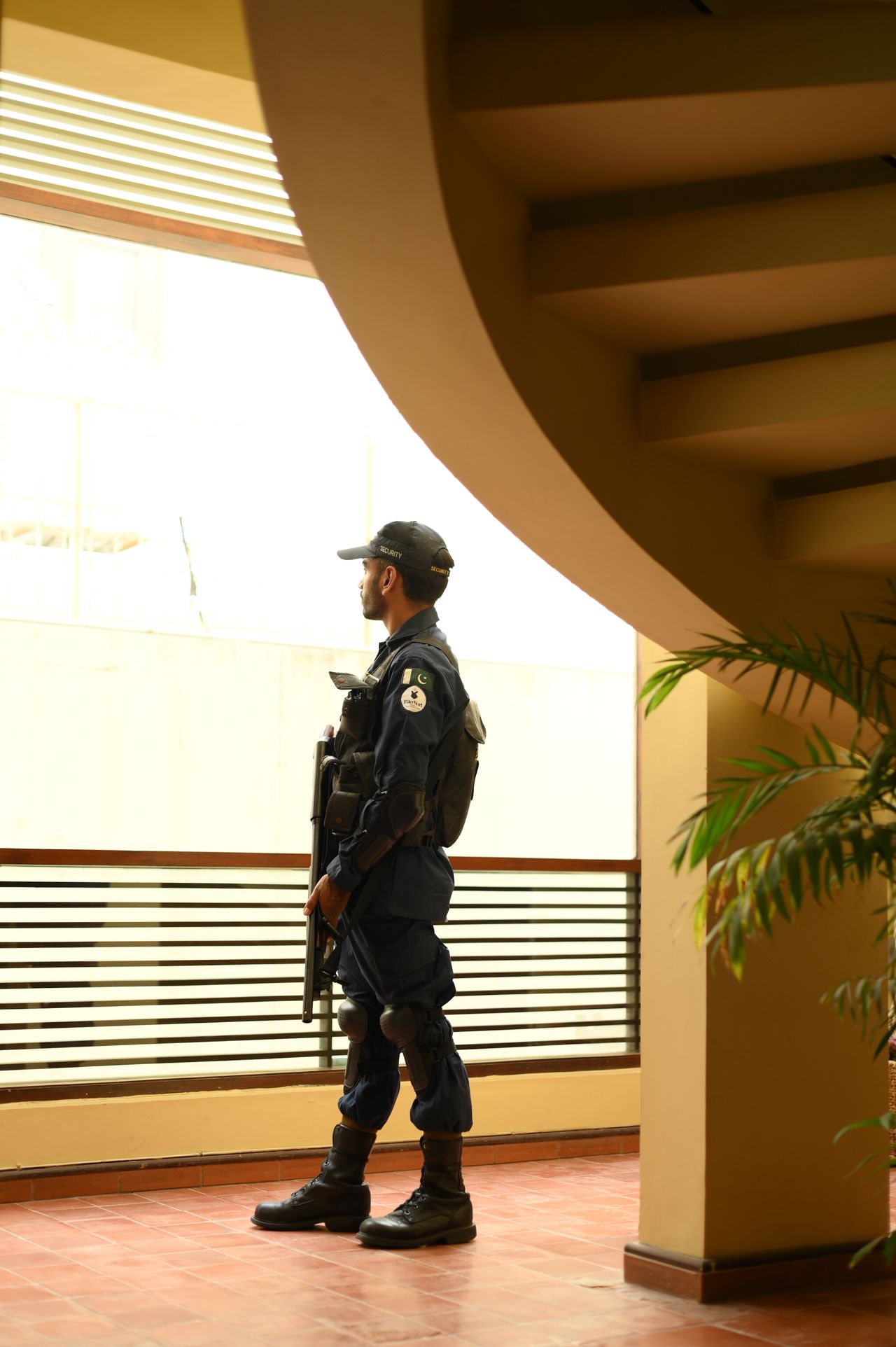
Uniformed Security Guards vs. Executive Protection: Choosing the Right Service for Your Southern California Business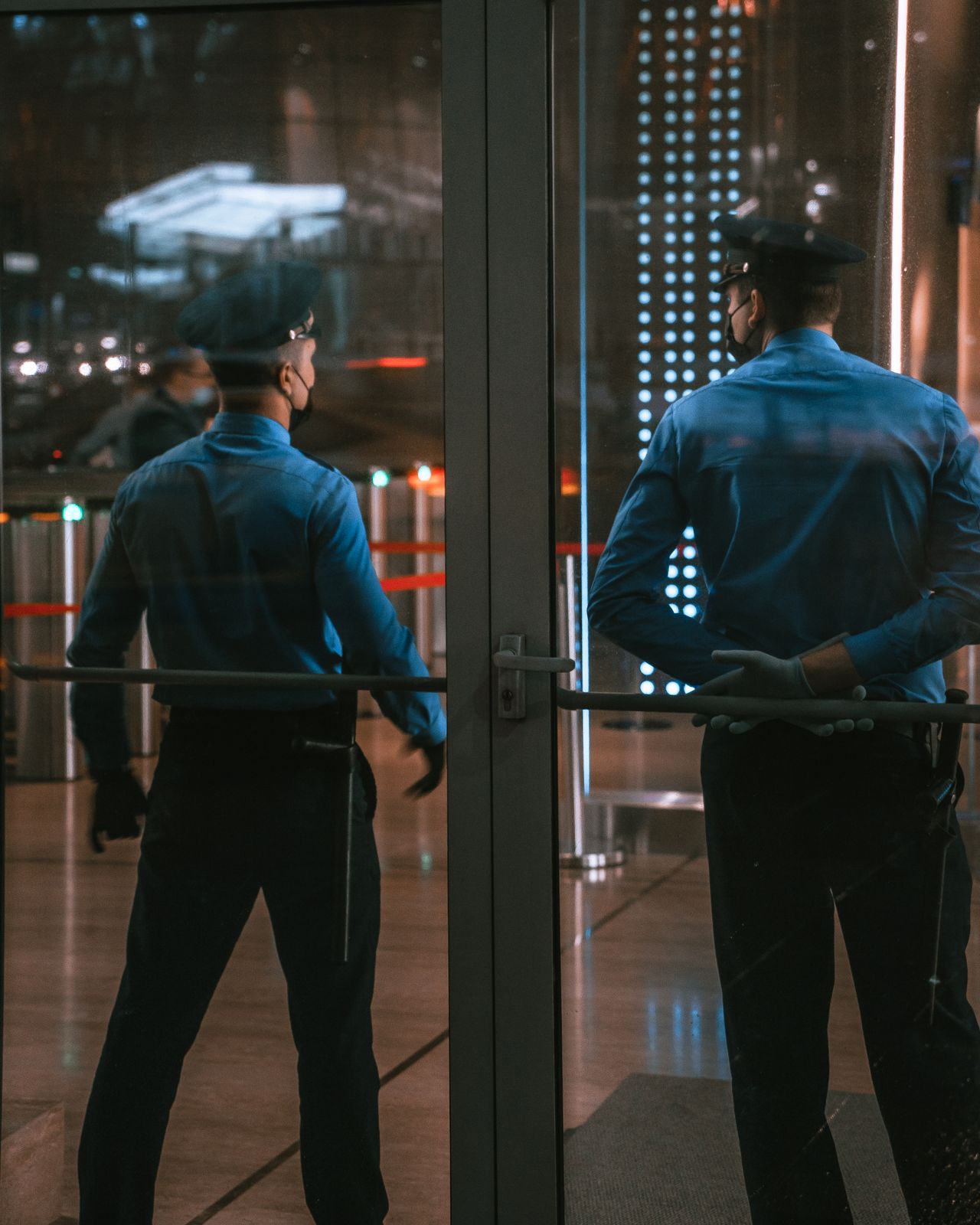
Holiday Retail Security in Southern California: Staffing the Q4 Surge Before Black Friday
Workplace Violence Restraining Orders in California: What They Do, and Where Security Fits
California SB 553: What a Workplace Violence Prevention Plan Requires, and Where Security Fits
What Does Executive Protection Cost, and What Actually Drives the Price?
Executive Protection for University Presidents and Campus Leadership: Security Planning for the Fall Semester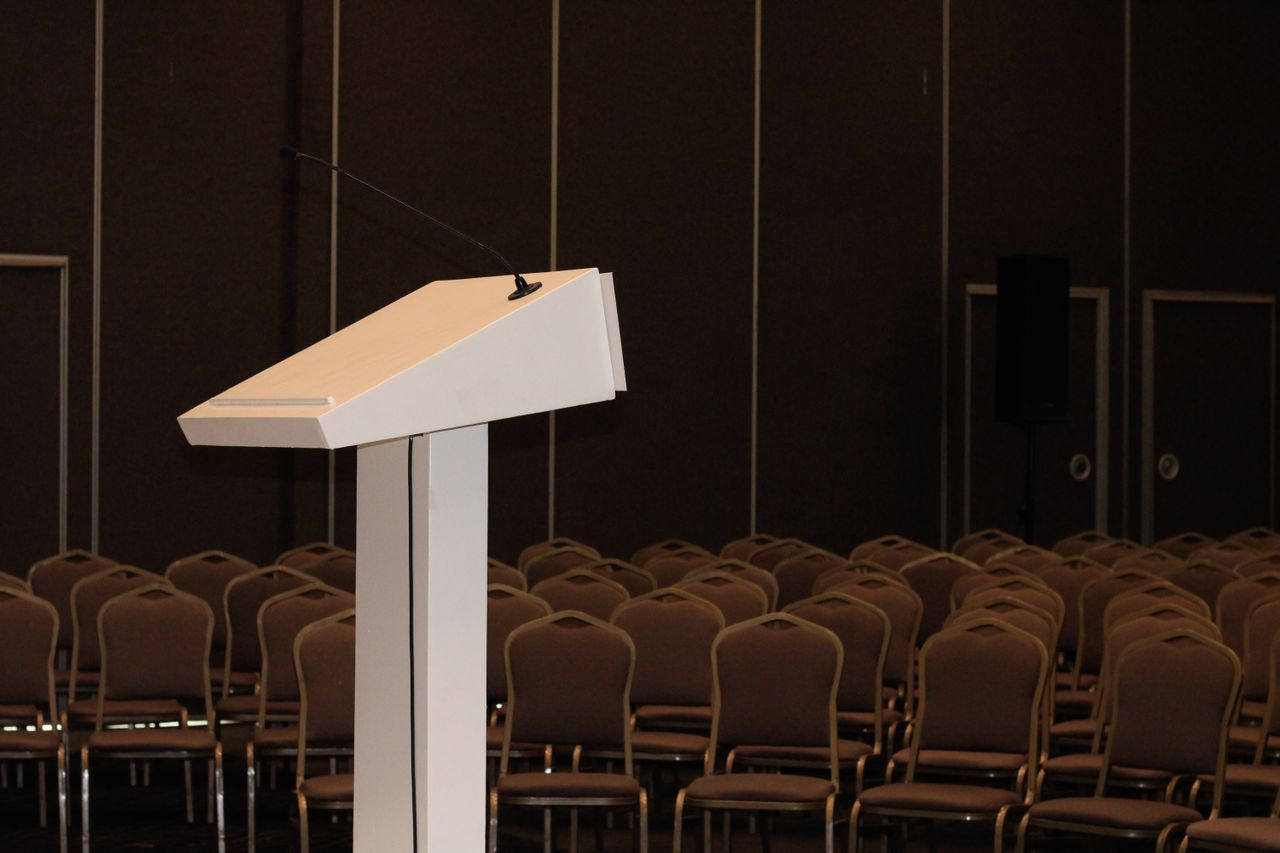
Executive Protection for Political Candidates and Campaign Events: Security Planning for the 2026 Campaign Season
Executive Protection for Business Conferences and Trade Shows: Security for High-Exposure Events