
Michael Julian
Second Generation CEO
Executive protection for university presidents is a planned security program that covers a campus leader's movement, appearances, residence, and travel, built around the reality that a college campus is deliberately open to the public. It differs from corporate protection in one decisive way: the principal's workplace has no perimeter, no badge line, and tens of thousands of people who all belong there.
Fall semester is when that exposure peaks. Convocation, home football weekends, trustee meetings, donor events, and the first wave of campus demonstrations all land in the same ten weeks. At MPS Security, we have found that the institutions that handle it well decide their posture in August, not in the middle of a night that has already gone sideways.
A corporate campus can control who enters. A university cannot, and mostly does not want to. Academic buildings stay unlocked, quads are public thoroughfares, athletic venues admit tens of thousands of strangers, and the president is expected to be visible in all of it. The job description requires exposure.
The scale of campus activity is not small. Degree-granting postsecondary institutions reported about 23,400 on-campus criminal incidents in 2021 (National Center for Education Statistics). Those figures exist because the Jeanne Clery Disclosure of Campus Security Policy and Campus Crime Statistics Act requires every institution receiving federal student aid to collect and publish them (Congressional Research Service). The reporting obligation is also a reminder that campus security decisions are documented, reviewable, and politically visible.
There is a second difference that matters more than most people expect. A university president is simultaneously a chief executive, a public spokesperson, a fundraiser, and a political lightning rod, negotiating a budget in the morning and standing at a podium in the afternoon in front of an audience that may include people who came specifically to confront them.
A workable plan is not a bodyguard following the president around campus. It is a set of decisions made in advance about which situations get coverage, which get an advance, and which get nothing but a phone number.
The elements we build for higher education clients:
1. Threat and exposure assessment. What has already been sent to the president's office, what is circulating online, which decisions are pending, and which constituencies are angry about them.
2. Event tiering. Not every appearance needs the same posture. A faculty senate meeting, a trustee dinner, a stadium suite, and an outdoor rally are four different problems.
3. Advance work. Walking the venue, confirming exits, identifying a hold room, coordinating with campus police, and knowing where the vehicle sits.
4. Movement and transportation. Predictable routines are the single largest vulnerability for a public figure. Route and timing variation costs nothing.
5. Residence considerations. Many presidents live in a university-owned house on or beside campus, often used for entertaining, which blurs the line between home and venue.
6. Family and household coverage. Spouses and children of a named public figure inherit the exposure without choosing it.
7. Coordination with campus police and local agencies. Protective work supplements sworn officers; it does not replace or compete with them.
Trustees are usually the ones who decide whether any of this gets funded, and understanding why governing boards own leadership safety tends to move the conversation faster than another incident report. Boards that treat principal safety as a governance duty rather than a line item make the decision once instead of relitigating it every semester.
This is the question higher education leaders ask most, and the answer is the same: the protective posture should be as small as the situation allows and as large as it requires.
A visible detail at a peaceful demonstration can become the story. A team that has walked the space, positioned itself for extraction rather than confrontation, and agreed in advance on the trigger for leaving does its job without appearing in a single photograph. The measure of good protective work at a campus event is that nothing memorable happened.
Practical guidelines we use:
• Decide the departure trigger before arrival, not in the moment
• Keep the vehicle in a position that does not require crossing a crowd
• Identify the secondary exit and confirm it is unlocked
• Assign one person to the principal and one to the environment, never one person to both
• Agree on who speaks to media, and it is never the protection team
Institutions bringing in outside support for the first time should be deliberate about how to evaluate a protection provider, because higher education work requires people who can operate quietly inside an academic culture. A team that behaves like a federal detail on a college quad creates more friction than it removes.
Presidents are the obvious principal, but rarely the only one. Provosts, deans, athletic directors, head coaches, general counsel, and trustees can all attract attention tied to a specific decision, and so can a visiting speaker the institution invited. The right approach for most universities is a tiered model: a standing plan for the president, an activation plan for other officials that can be turned on within a day, and event-based coverage for anything with a known audience.
Do university presidents actually need executive protection? Many do, at least on a situational basis. A president is a named public figure who appears on a published schedule, speaks on contested issues, and works in an environment with no controlled perimeter, which is precisely the profile protective work is designed for.
Does executive protection replace the campus police department? No. Campus police have jurisdiction, arrest authority, and responsibility for the whole community, while a protective team is responsible for one person's safety and movement. The two work together, and the coordination is agreed in advance rather than improvised.
Will a protection detail make the president look unapproachable? It does not have to. Most higher education coverage is deliberately low-profile, with the protective element positioned to observe and extract rather than to stand beside the principal, so the president can still shake hands and walk the quad.
When should a university activate protection for a specific event? The usual triggers are a communicated threat, a controversial decision that has drawn organized attention, a high-profile outside speaker, or an event with an open and unticketed audience. Activating early and standing down is far cheaper than activating late.
Does protection extend to the president's residence and family? It often should, particularly when the residence is university-owned and used for entertaining. Family members did not choose public exposure, and residence coverage is usually the least intrusive part of a program.
How far in advance should fall coverage be planned? Ideally before the semester starts. Advance work on recurring venues, board meeting logistics, and athletic events is easiest to complete in the quiet weeks of summer, and it makes any mid-semester activation far faster.
If your institution has a president with a public calendar and no written protective plan, the gap is worth closing before the first board meeting. MPS Security & Protection provides discreet, professionally staffed executive protection for principals who have to remain visible. Contact our team to discuss a threat assessment or a coverage plan for the fall term.
Michael D. Julian brings more than 30 years of security and investigative experience to MPS Security & Protection. He served as President of the California Association of Licensed Investigators (CALI) from 2005 to 2015 and has advised corporate, private, and institutional clients on protective operations, threat assessment, and security program design. Connect with Michael on LinkedIn.

Since 1967, MPS Security & Protection has delivered professional protective security grounded in respect, coordination, and discretion. We’re a 3rd-generation firm with longstanding client relationships and worldwide connections.
“No two clients are the same, and neither are their needs. We protect what matters most, so you don't have to.” — Our protection is tailored to your risks, lifestyle, and operations.


Experts in Executive Protection and Uniformed Security.
Second Generation CEO

President
Executive Protection Manager
Uniform Security Manager
RST teams safeguard homes and families with 24/7 protection and low-profile coverage.
We’re always looking for professional Executive Protection Agents and Uniformed Security Officers. Apply through our portal.
Let’s discuss your needs and design a protection plan that fits your risk profile.
Uniformed security guards and executive protection solve different problems. A Southern California guide to choosing, or combining, the right service. By: Michael D. Julian Retail theft and violence are both rising while seasonal hiring falls. Here is how Southern California retailers should scope holiday security coverag… By: Michael D. Julian A California workplace violence restraining order is a court order an employer can seek to protect employees from a credible threat. Here is what it c… By: Michael D. Julian California employers must maintain a written workplace violence prevention plan, a violent incident log, and annual training under Labor Code 6401.9. … By: Michael D. Julian Executive protection quotes vary widely for reasons that are rarely explained. Here are the six factors that actually drive the cost of a protection p… By: Michael D. Julian University presidents, provosts, and trustees are public figures on an open campus. Learn how executive protection teams plan coverage for the fall se… By: Michael D. Julian Campaign events put candidates in unscreened crowds on short notice. Learn how executive protection teams plan candidate security, rallies, town halls… By: Michael D. Julian Conferences and trade shows put executives in crowded, open, publicly scheduled venues. Learn how executive protection works at business events, from … By: Michael D. JulianRecent MPS Security Insights
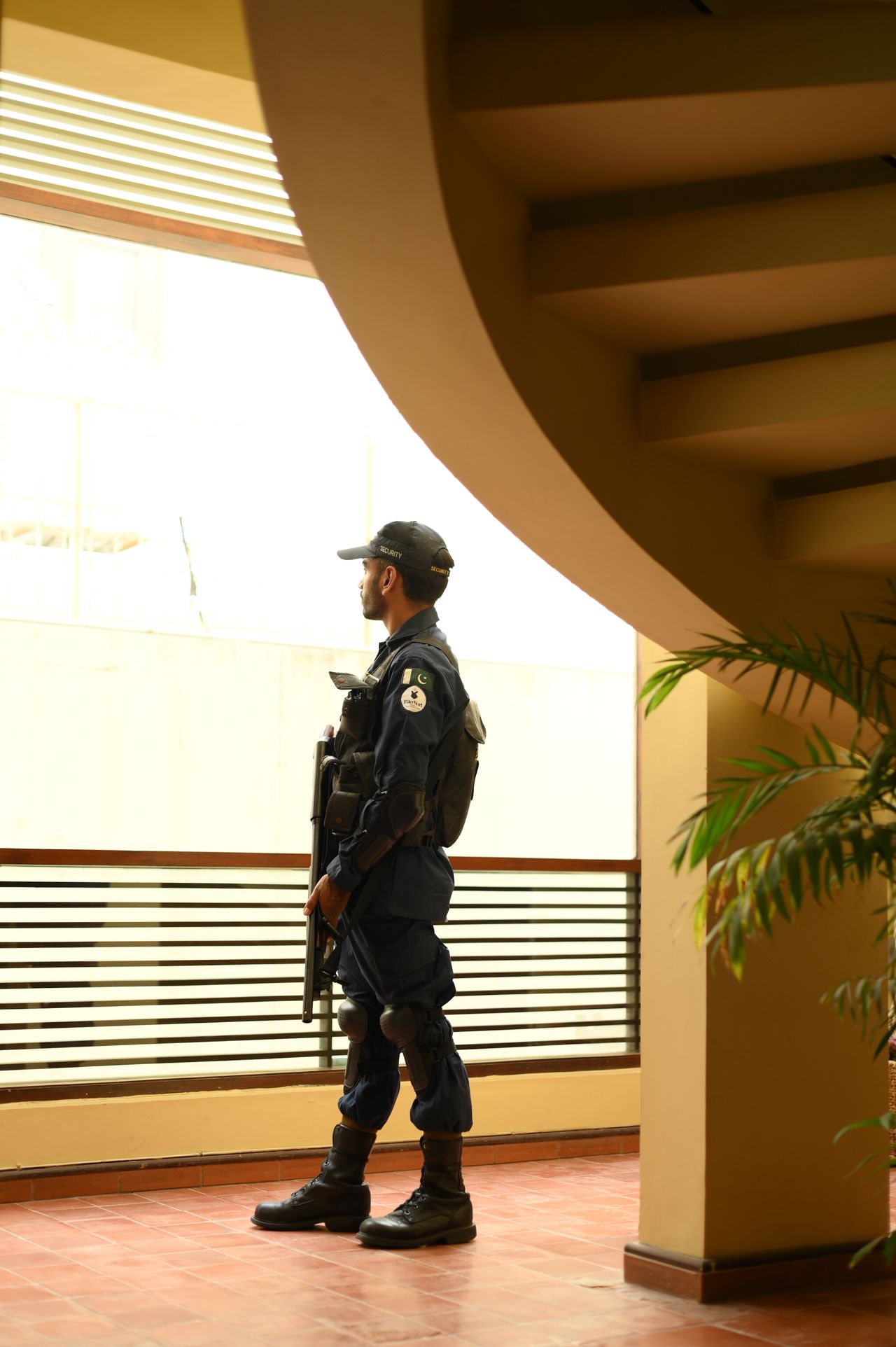
Uniformed Security Guards vs. Executive Protection: Choosing the Right Service for Your Southern California Business
Holiday Retail Security in Southern California: Staffing the Q4 Surge Before Black Friday
Workplace Violence Restraining Orders in California: What They Do, and Where Security Fits
California SB 553: What a Workplace Violence Prevention Plan Requires, and Where Security Fits
What Does Executive Protection Cost, and What Actually Drives the Price?
Executive Protection for University Presidents and Campus Leadership: Security Planning for the Fall Semester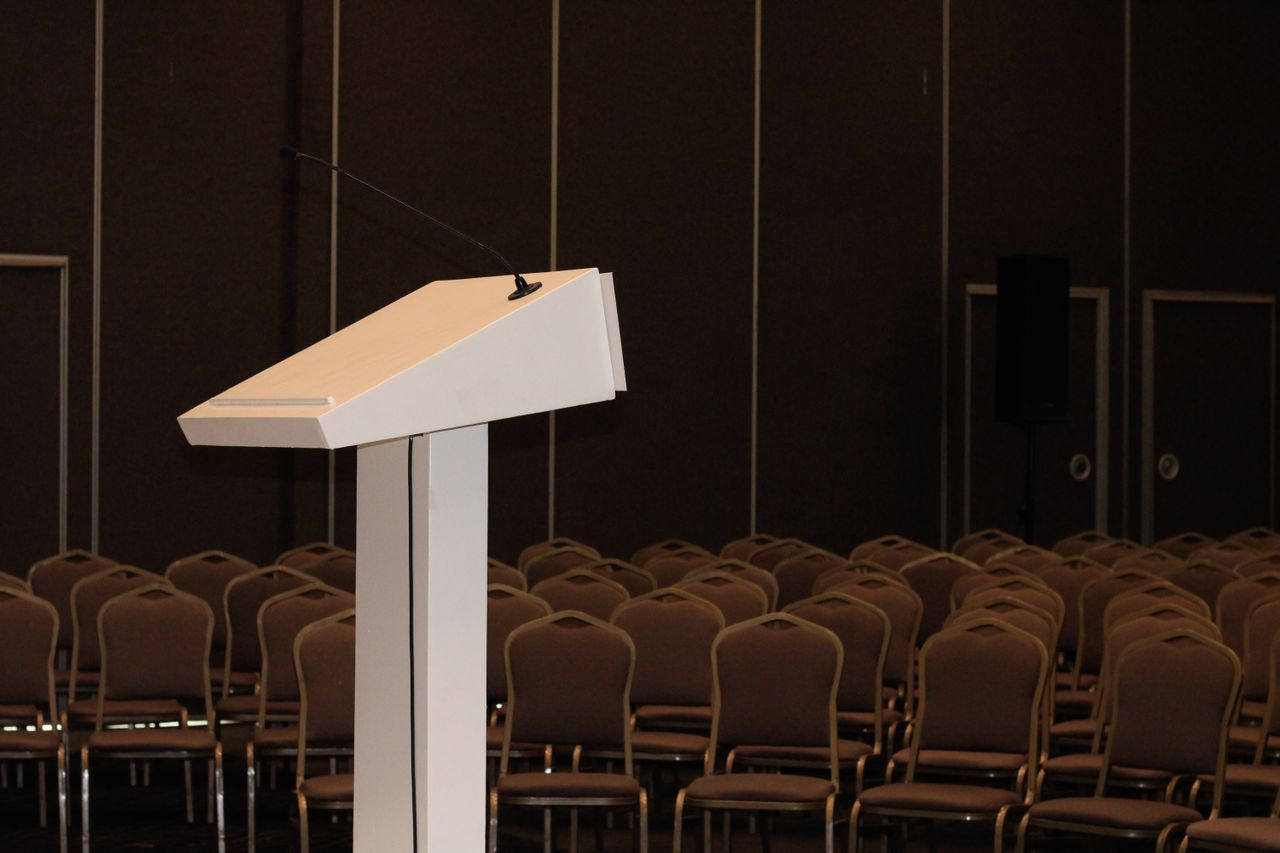
Executive Protection for Political Candidates and Campaign Events: Security Planning for the 2026 Campaign Season
Executive Protection for Business Conferences and Trade Shows: Security for High-Exposure Events