
Michael Julian
Second Generation CEO
Protective intelligence is the disciplined process of identifying, investigating, and assessing threats to a protected person before those threats reach the point of action. It shifts executive protection from reacting at the moment of contact to intervening days, weeks, or months earlier, when a concerning person is still gathering information, voicing a grievance, or moving toward violence in observable ways.
Most people picture executive protection as a detail of agents standing close to a principal. That visible layer matters, but it is the last line, not the first. The work that prevents an incident usually happens far from the principal, at a desk, in records, and across open sources. At MPS Security, we have learned that the strongest protective programs are built on what you learn before anyone gets close.
Protective intelligence answers a specific set of questions on a continuous basis. Who has expressed hostility toward the principal or the organization? Is anyone fixated on the principal in a way that is escalating? Are there public events, filings, or announcements that will raise the principal's exposure in the coming weeks? What does the principal's digital and physical footprint reveal that an adversary could exploit?
The discipline draws on threat assessment, open-source research, monitoring of direct communications such as hostile messages and letters, behavioral analysis, and coordination with law enforcement when a credible threat emerges. The point is not to surveil the public. It is to find the small number of people and situations that genuinely warrant attention and to understand them well enough to act early. This is the firm's foundational approach to mitigating threats, applied before a risk becomes an emergency.
Targeted violence is rarely a bolt from the blue. People who carry out attacks usually move along an observable path, and they leak signals along the way. The U.S. Secret Service National Threat Assessment Center has found that in its studies of mass attacks, nearly all attackers exhibited behaviors that elicited concern from people around them before the attack, and many had communicated their intent or grievance in some form.
That research is the foundation of modern protective intelligence. If attackers display concerning behavior beforehand, then a program designed to detect and assess that behavior can change the outcome. The Secret Service center also reports that most attackers were motivated by a personal grievance and had a known history that, in hindsight, formed a recognizable pattern. The work is to recognize the pattern while it can still be interrupted.
Intelligence is only useful if it changes what the protection team does. A credible, escalating threat may justify a heavier, more visible detail, advance work at every venue, and route changes. A diffuse but persistent low-level concern may call for monitoring and discreet coverage rather than a show of force.
This is where intelligence and field operations meet. When research surfaces a specific risk tied to a public appearance, the team can adjust the advance, harden a venue, or recommend that the principal skip a particular exposure altogether. Good intelligence often reduces the footprint required, because the team is solving the actual problem rather than guarding against every imaginable one. It lets a protective program spend its resources where the real risk is.
In a corporate setting, protective intelligence is typically owned by a chief security officer or general counsel, with sponsorship from the board. That sponsorship matters, because intelligence work is preventive and its successes are largely invisible. A board that understands the value of stopping an incident before it starts is far more likely to fund the program properly.
This is part of the case for board-level attention to executive safety. Directors increasingly treat the safety of named executives as a governance and continuity issue, not a personal perk, and protective intelligence is the part of the program that most directly prevents loss.
Done responsibly, protective intelligence respects legal boundaries and the privacy of the public. The objective is narrow and defensible: identify genuine threats, document them carefully, and hand off to law enforcement when warranted. A serious firm builds its process to be lawful and proportionate, because intelligence that is collected improperly is both an ethical failure and a liability that can undermine the very protection it is meant to provide.
No. Any principal with public visibility, a contentious business situation, significant wealth, or a history of receiving threats can benefit. Family offices, public-company executives, public figures, and organizations facing activism or litigation all use protective intelligence to understand their exposure before an incident occurs.
A background check looks backward at a known person's history. Protective intelligence is ongoing and forward-looking. It continuously assesses who poses a risk to the principal, how that risk is evolving, and what upcoming situations will change the principal's exposure, then feeds those findings directly into protective decisions.
Yes. Even a modest program benefits from structured threat assessment and monitoring. The scale of the intelligence effort should match the principal's risk profile, but the discipline itself, asking who and what poses a threat and acting early, applies at every size.
The team documents the threat, assesses its credibility and urgency, adjusts the protective posture, and, when appropriate, coordinates with law enforcement. The goal is to interrupt the path to violence at the earliest defensible point rather than wait to manage it at the moment of contact.
No. It makes physical protection smarter. Intelligence tells the detail where the real risks are so that coverage, advances, and routes are based on evidence rather than guesswork. The two functions work together, and neither is fully effective alone.
Strong executive protection starts long before anyone stands beside the principal. If your organization wants a protective program built on early threat identification rather than reaction, MPS Security can help you assess your exposure and design coverage that fits it. Contact our team to start the conversation.
About the author
Michael D. Julian brings more than 30 years of experience in security, investigations, and executive protection. He served as President of the California Association of Licensed Investigators (CALI) from 2005 to 2015 and leads MPS Security and Protection's work safeguarding executives, families, and organizations. Connect with Michael on LinkedIn.

Since 1967, MPS Security & Protection has delivered professional protective security grounded in respect, coordination, and discretion. We’re a 3rd-generation firm with longstanding client relationships and worldwide connections.
“No two clients are the same, and neither are their needs. We protect what matters most, so you don't have to.” — Our protection is tailored to your risks, lifestyle, and operations.


Experts in Executive Protection and Uniformed Security.
Second Generation CEO
President
Executive Protection Manager
Uniform Security Manager
RST teams safeguard homes and families with 24/7 protection and low-profile coverage.
We’re always looking for professional Executive Protection Agents and Uniformed Security Officers. Apply through our portal.
Let’s discuss your needs and design a protection plan that fits your risk profile.
Campaign events put candidates in unscreened crowds on short notice. Learn how executive protection teams plan candidate security, rallies, town halls… By: Michael D. Julian Conferences and trade shows put executives in crowded, open, publicly scheduled venues. Learn how executive protection works at business events, from … By: Michael D. Julian Some terminations carry real risk. Learn how executive protection and security standby support high-risk employee separations, layoffs, and restructur… By: Michael D. Julian A hurricane is a security event, not just a weather event. Learn how executive protection teams plan evacuations, secure residences, and keep principa… By: Michael D. Julian Public events magnify executive risk. A 30-year EP veteran explains what corporate boards should require from executive protection at high-profile eve… By: Michael D. Julian Film and TV productions expose talent to fans, paparazzi, and fixed schedules in public places. Learn how executive protection teams secure sets and l… By: Michael D. Julian The greatest threat to a protected client is often medical, not criminal. Learn how professional executive protection teams build medical preparedness… By: Michael D. Julian Counter-surveillance is how executive protection teams spot people watching a principal before an attack. Here is how it works and why it matters in 2… By: Michael D. JulianRecent MPS Security Insights

Executive Protection for Political Candidates and Campaign Events: Security Planning for the 2026 Campaign Season
Executive Protection for Business Conferences and Trade Shows: Security for High-Exposure Events
Executive Protection for High-Risk Employee Terminations: How to Plan Security for a Difficult Departure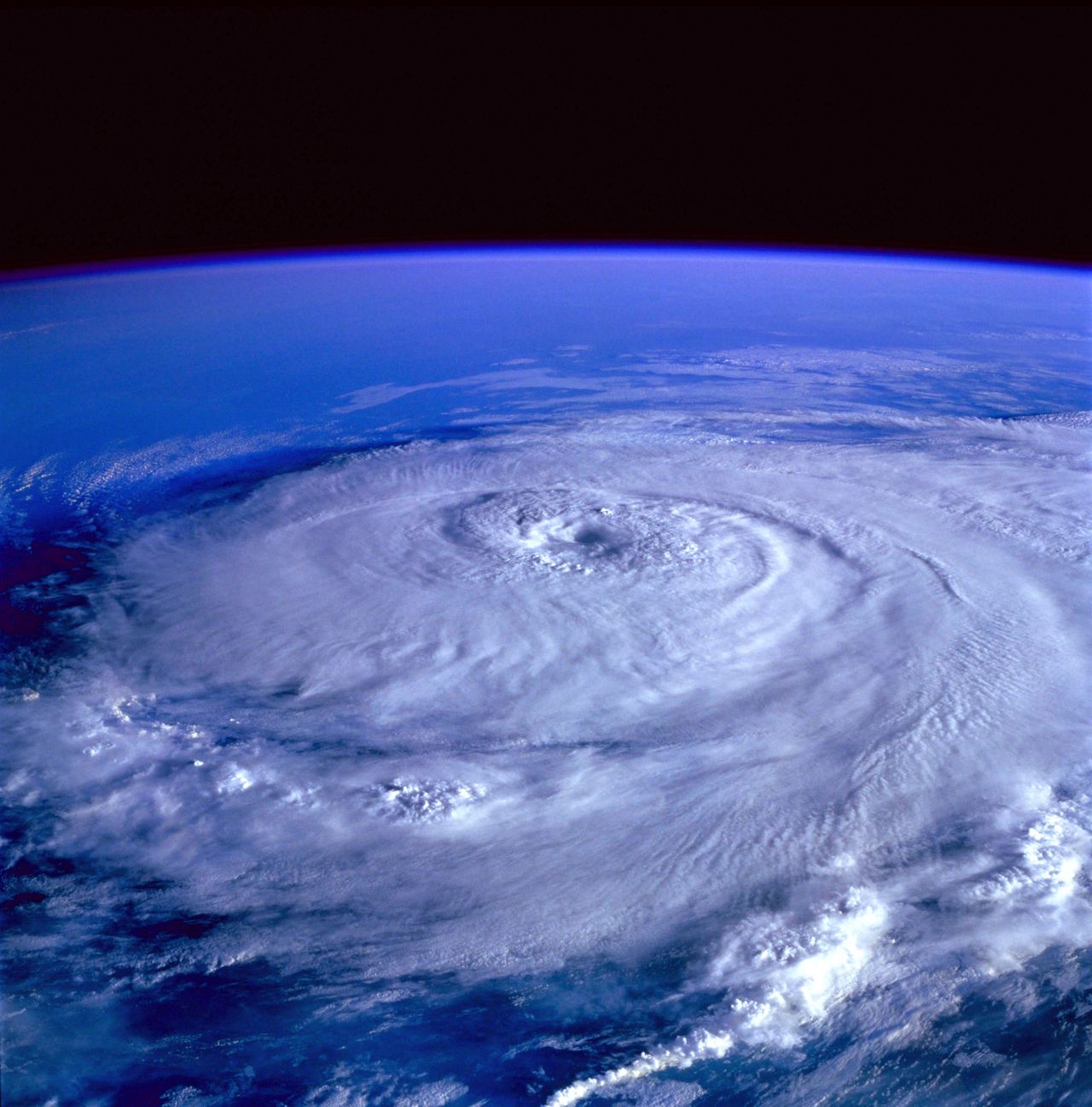
Executive Protection During Hurricane Season: How Security Teams Protect Principals and Families When a Storm Threatens
Executive Protection at High-Profile Public Events: What Corporate Boards Need to Know
Executive Protection on Film and Television Productions: How Studios Protect Talent on Location
Medical Preparedness in Executive Protection: Why Every Detail Needs an Emergency Action Plan
Counter-Surveillance In Executive Protection