
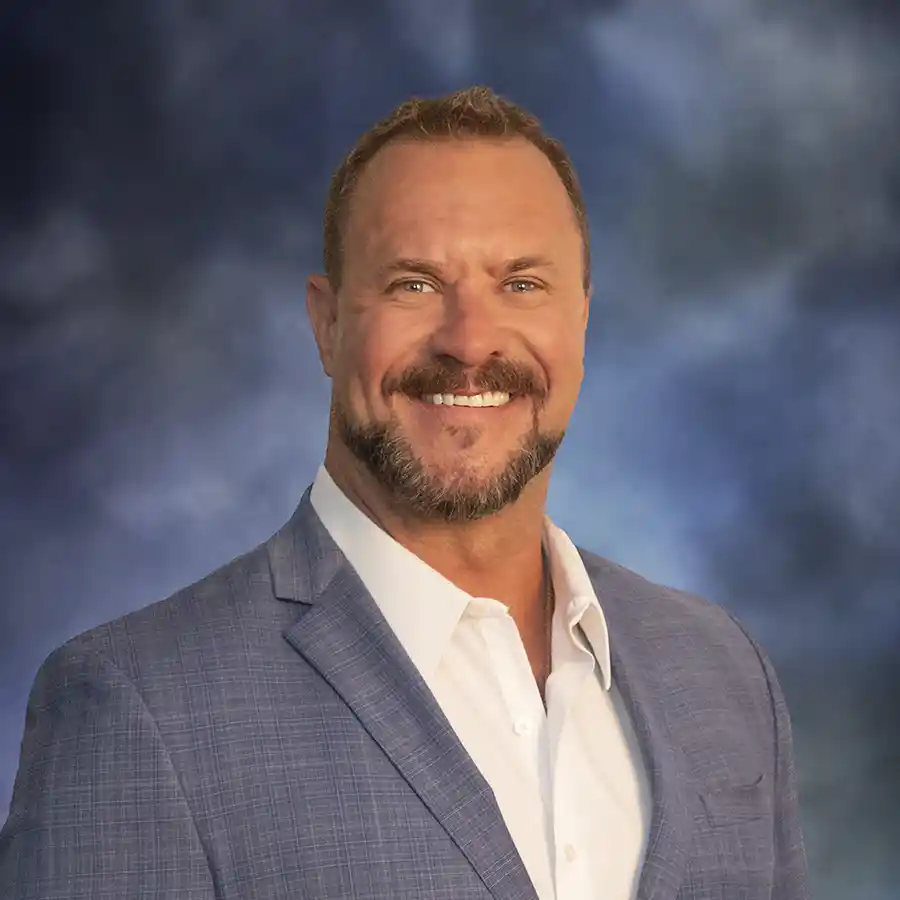
Michael Julian
Second Generation CEO
If you have a passion for executive protection (EP)-living, eating, sleeping, and breathing the lifestyle-you may be inclined to take on every client who crosses your company's doorstep. Or maybe you're not yet bringing in the revenues you'd like, so you take on everyone and anyone who reaches out to you for help. While both are understandable, if a potential client isn't a good match for you and your firm, it is completely okay to say no to them and send them on their way.
Some EP professionals look at turning down a potential client as lost revenues. It's like having a shiny new sports car for sale, someone approaching you with cash to buy it, and turning them away. It can be hard to wrap your mind around how this scenario could even make sense. But think about it.
Imagine that the sports car has your business's name on its doors. Now would you be a bit pickier about who you sold it to? If the new owner is the type to drive around with road rage, screaming obscenities at everyone in their path and engaging in high-speed police chases as the news flashes the images of your company's name on the door, it likely isn't going to look good for your business.
Every client you take on for EP services becomes your company's poster. They are the ones who will talk about your level of service and professionalism. So, it is imperative that they represent you in the way you want to be represented. If they are a loose cannon and typically unhappy about any service that they are provided, no matter who it's from, saying no to them upfront can do a lot more for your company than saying yes. Here are just a few more reasons why it's okay to pass on a potential client.
Your company has certain protection standards. Before taking on any client, it's important to ask yourself whether doing so would force you to drop those standards in any way, shape, or form. If it would, you're better off walking away.
The problem with lowering your protection standards is that your reputation goes down as well. And once your reputation goes down, it's next to impossible to bring it back up. You become known as the executive protection firm that will do anything for a buck. No client is worth taking that type of hit on your reputation, regardless of how much they beg for your services or are willing to pay.
It's also okay to pass on a client if taking them on means putting your employees at risk. Your agents' jobs are difficult enough. Why would you want to make their job even harder by giving them a principal that jeopardizes their life, their professional reputation, or otherwise creates a challenge that no agent should be forced to face?
When you protect your employees, they're more likely to protect your company in return. They develop a higher level of loyalty because they know that, in the end, you're not going to hang them out to dry. They recognize that you're willing to do what it takes to look after them and that you appreciate the value they provide. This motivates them to work even harder for you and your clients, and what business owner doesn't want that?
In some businesses, the client's morals and ethics don't really matter. If you're a plumber or electrician, for instance, you might not care if your customer thinks the way you do or if they approach the world in a similar manner. But this isn't the case when the service you provide is executive protection. If your morals and ethics aren't aligned with your client's morals and ethics, it can lead to trouble.
If your client wants protection while engaged in a high-risk illegal drug deal, for instance, are you okay with this? Are your agents okay with this? Put yourself in the shoes of the agent. Would you risk your life for someone who was doing something that you felt was morally reprehensible? Probably not.
This also goes back to remembering that each client you take on becomes a poster for your company. Their morals and ethics are now a reflection of you. Taking this into consideration helps protect the image that you want your company to portray to the rest of the world.
No one wants to go to work every day and be disrespected. It can be degrading and demoralizing, not to mention what it can do to your morale. Make a conscious decision to only work with principals who will respect you and your team. If they won't, show them the door and send them on their way.
Respect is a two-way street. You want clients who will offer you and your employees the same level of regard that you give to them. This creates a much more pleasurable working environment for your agents. And it reduces the risk that you'll hate yourself later for taking on such a rude, abrasive client who sucks the mental energy out of your body every time you have to have contact with them.
Sometimes, despite your best efforts, you take on a principal that you later regret. Maybe they didn't show their true colors right away, so you didn't recognize that they would put you and your team at risk. Or the relationship started really good, but now it's taken a turn for the worst. Whatever the situation, in some cases, you must make the difficult decision to fire the principal.
The main thing to remember when going through this process is that you don't want to stoop down to their level. You can be angry at the way they've acted or disappointed in how things turned out, but these emotions must be kept in check. Stay professional, stay respectful, and handle the firing with class.
Don't give them the opportunity to ever say that you did them wrong. As long as you act appropriately, they have no ammunition to make this type of claim-and if they do, you can easily prove them wrong.
We all get into the EP profession because we want to defeat evil with good at every opportunity (as one of my close EP friends always says). Yet, there are sometimes that the opportunity is no opportunity at all. If the potential client puts you, your company, or your employees at unwarranted risk in any way, they are more a threat to your business than an opportunity to help it grow.
Being selective about who you protect also helps protect your company and its reputation. No client worth risking your life or livelihood for, nor are they worth placing that unreasonable risk on your agents. Instead, wish them well and send them on their way. You'll be better off in the long run.
Michael D. Julian is President of MPS Security & Protection and a 30-plus-year veteran of the security and investigations industry. He served as President of the California Association of Licensed Investigators (CALI) from 2005 to 2015 and has led executive protection, residential security, and corporate investigations engagements for Fortune 500 principals, high-net-worth families, and public figures across the United States. Connect with Michael on LinkedIn.

Since 1967, MPS Security & Protection has delivered professional protective security grounded in respect, coordination, and discretion. We’re a 3rd-generation firm with longstanding client relationships and worldwide connections.
“No two clients are the same, and neither are their needs. We protect what matters most, so you don't have to.” — Our protection is tailored to your risks, lifestyle, and operations.


Experts in Executive Protection and Uniformed Security.
Second Generation CEO

President
Executive Protection Manager

Uniform Security Manager
RST teams safeguard homes and families with 24/7 protection and low-profile coverage.
We’re always looking for professional Executive Protection Agents and Uniformed Security Officers. Apply through our portal.
Let’s discuss your needs and design a protection plan that fits your risk profile.
The greatest threat to a protected client is often medical, not criminal. Learn how professional executive protection teams build medical preparedness… By: Michael D. Julian Counter-surveillance is how executive protection teams spot people watching a principal before an attack. Here is how it works and why it matters in 2… By: Michael D. Julian The work that prevents an incident usually happens before the principal arrives. Here is what an executive protection advance team does to survey a ve… By: Michael D. Julian Ground transportation is the highest-risk phase of an executive's day. Here is how professional protection teams plan vehicles, routes, and trained dr… By: Michael D. Julian Protective intelligence is how executive protection teams find and assess threats before they materialize. Here is what it covers, why it matters, and… By: Michael D. Julian How professional executive protection teams plan annual shareholder meetings and investor days, from advance work and venue security to activist expos… By: Michael D. Julian How family offices structure executive protection across principals, spouses, and adult children in 2026 â€" including covert posture, residential cov… By: Michael D. Julian How corporate threat assessment teams bring HR, Legal, and Security together to identify, evaluate, and manage individuals of concern before incidents… By: Michael D. JulianRecent MPS Security Insights

Medical Preparedness in Executive Protection: Why Every Detail Needs an Emergency Action Plan
Counter-Surveillance In Executive Protection
What an Executive Protection Advance Team Actually Does: How Venues Are Surveyed Before the Principal Arrives
Secure Transportation for Executives: How Protection Teams Plan Vehicles, Routes, and Drivers
Protective Intelligence: How Executive Protection Teams Identify Threats Before They Reach the Principal
Executive Protection at Annual Shareholder Meetings and Investor Days: How Public-Company Boards Plan for Activist and Threat Exposure
Executive Protection for Family Offices: A 2026 Guide to Protecting Principals, Spouses, and Adult Children
Workplace Threat Assessment Teams: How HR, Legal, and Security Should Collaborate to Prevent Targeted Violence