

Michael Julian
Second Generation CEO
In the world of labor relations, strikes and labor disputes represent some of the most challenging and potentially volatile scenarios. These occurrences can often signify a breakdown in the relations between employers and their workers, and can lead to significant disruption of economic activity, as well as potential threats to peace and security.
A strike, as defined by the International Labor Organization (ILO), is a temporary work stoppage by a group of employees to express a grievance or enforce a demand¹. This powerful tool, deployed by workers in their pursuit of fair wages, better working conditions, and more equitable treatment, is enshrined as a basic labor right in many jurisdictions around the world. However, when strikes occur, they often pose a variety of security issues.
Labor disputes, of which strikes are a subset, can become hotbeds for potential violence, sabotage, and intimidation. These disputes might arise from disagreements over terms of employment contracts, unfair treatment, or conflicts over union representation among other factors. If not managed effectively, these disputes can escalate, often drawing in wider communities, disrupting public order, and posing a threat to both property and individuals.
With this backdrop, it becomes imperative to delve into the intricacies of security issues during strikes and labor disputes. Understanding the history, the evolution of security measures, the legal frameworks, and the roles of various stakeholders in these events will enable better management of future labor conflicts. More so, it is critical to evaluate the lessons we've learned from past incidents, to plan proactive measures and strategies, and to anticipate the impact of technology and future trends on the security of labor disputes.
This article aims to provide a comprehensive examination of these facets, bringing together relevant legal, historical, sociological, and technological perspectives. By the end of this journey, we aspire to have not only deepened our understanding of the security aspects of strikes and labor disputes but also to have identified strategies to effectively handle these scenarios, ensuring safety and upholding the rights of all parties involved.
A strike, as defined by the International Labour Organization (ILO), is a temporary work stoppage effected by one or more groups of workers with a view to enforcing or resisting demands or expressing grievances, or supporting other workers in their demands or grievances 1.
The security issues that may arise during strikes and labor disputes are multifaceted. They can include physical violence, intimidation, vandalism, and psychological harassment. Striking employees may face security threats from law enforcement, private security personnel, non-striking employees, or even members of the public.

Throughout history, there have been numerous instances of labor disputes leading to significant security concerns. The Pullman Strike of 1894, for instance, escalated into one of the most violent labor disputes in American history, prompting the deployment of federal troops2.
Security measures in response to strikes and labor disputes have evolved significantly over time. In the past, the response often involved direct confrontation and sometimes violent repression. Today, most democratic societies emphasize negotiation and mediation as first-line strategies, resorting to law enforcement or private security only when necessary and under strict legal and ethical guidelines3.
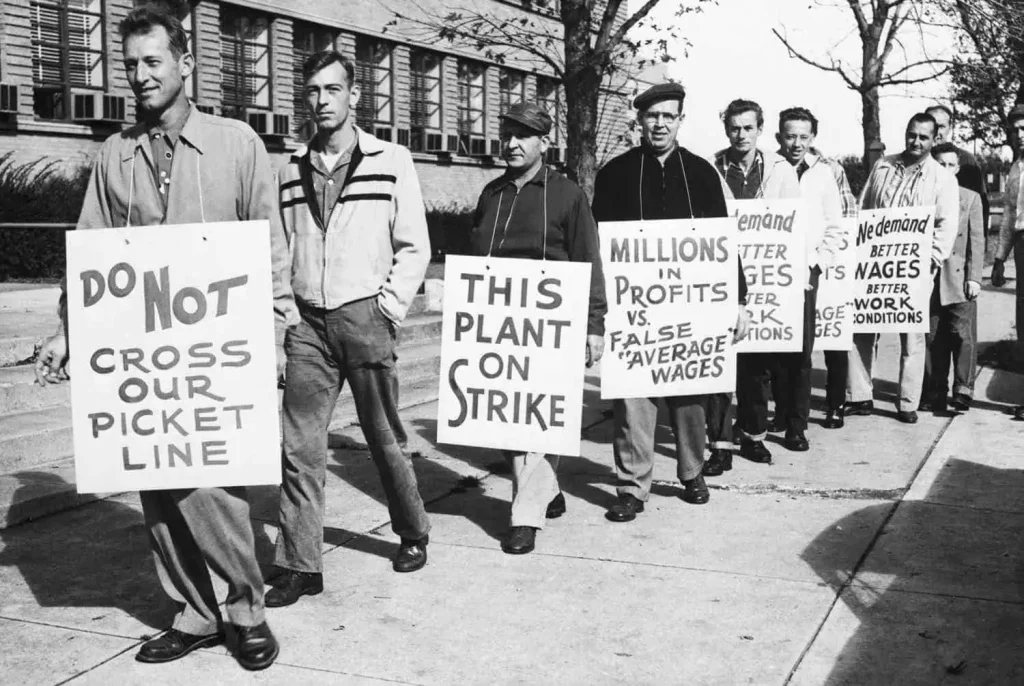
Each country has unique legislation that governs strikes and labor disputes. These laws are established by a variety of factors, such as historical, cultural, and economic contexts. For example, in the United States, the primary legislation governing these activities is the National Labor Relations Act (NLRA) of 19354. The NLRA gives workers the right to organize into trade unions and bargain collectively with their employers. It also established the National Labor Relations Board (NLRB) to oversee and enforce these laws.
The International Labour Organization (ILO), a specialized agency of the United Nations, sets international labor standards. Their conventions and recommendations serve as guidelines for countries to develop their labor laws. One such standard is the Freedom of Association and Protection of the Right to Organise Convention (C87), which guarantees workers' and employers' rights to establish and join organizations without prior authorization.

Workers have the right to join or form trade unions, collectively bargain, and go on strike. These rights are universally recognized by the ILO and implemented into national law in many countries1. Workers also have the right to be protected from harm and intimidation during labor disputes. This includes physical, psychological, and economic harm.
Employers also have rights during labor disputes. These include the right to continue business operations, often by hiring replacement workers, especially in strikes deemed illegal. However, the use of replacement workers is a contentious issue and is regulated differently across countries4. Employers also have the right to security protection for their property and non-striking employees.
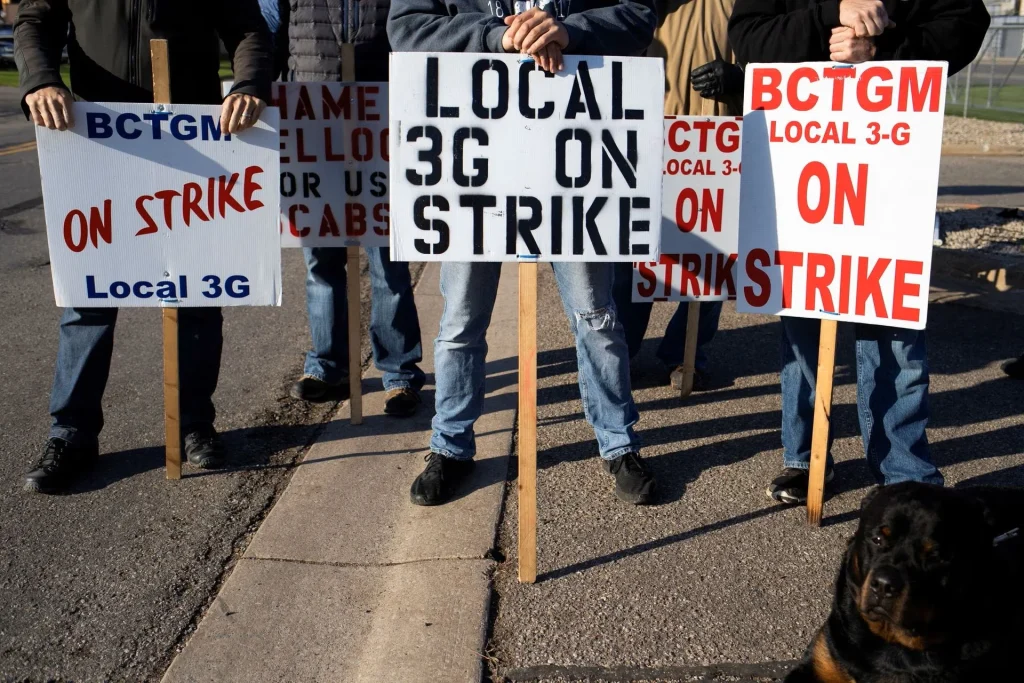
Physical violence and intimidation can occur during strikes and labor disputes. This might involve confrontations between striking and non-striking employees, between protestors and law enforcement, or even incidents of intra-union violence. The ILO's Committee on Freedom of Association has ruled that acts of violence against strikers can infringe on trade union rights7.
Sabotage and vandalism are risks during labor disputes. Disgruntled employees may damage equipment or disrupt operations to put pressure on employers. For example, during the 1984-1985 miners' strike in the UK, there were several instances of machinery being damaged6.
Psychological harassment, also known as bullying or mobbing, can be a significant issue during labor disputes. This may include threats, defamation, ostracism, or other aggressive behaviors. These actions can have severe psychological effects on the victims, including stress, anxiety, and depression7.
Labor disputes can pose a significant reputational risk for companies. Negative media coverage, particularly if the dispute involves allegations of unfair labor practices or violent incidents, can damage a company's public image. This reputational damage can impact customer relationships and shareholder value8.
 Strike Security Officers" class="wp-image-19217"/>
Law enforcement plays a crucial role in maintaining peace and order during labor disputes. Their role involves protecting people and property, maintaining public order, and ensuring that laws are obeyed. However, their role is limited by law and regulation, and they are expected to respect individuals' rights to protest and strike. The use of force must always be proportionate and necessary9.
Private security firms can provide additional support during labor disputes. They may be hired to protect property, manage access control, or provide personal security for non-striking workers. However, their use raises significant ethical and accountability issues. For example, there are concerns about the potential for excessive use of force, or that private security firms may favor the employer who is paying for their services10.
Maintaining a balance of power between law enforcement, private security, and protestors is crucial for preventing violence and ensuring a fair resolution to labor disputes. This balance involves respecting the rights of all parties involved, ensuring transparency in actions, and maintaining open lines of communication9.
One notable example of successful dispute resolution is the United Parcel Service (UPS) strike in the United States in 199711. The 15-day strike, which involved over 180,000 workers, ended when both parties reached an agreement beneficial to the workers and the company. The negotiation process was characterized by peaceful picketing, constructive dialogue, and law enforcement that ensured security without resorting to excessive force.
The Marikana miners' strike in South Africa in 2012 provides a stark contrast, where failed security management led to tragedy5. 34 miners were killed when police used live ammunition against the strikers. The incident highlighted the importance of proportionate law enforcement response, adequate training for handling labor disputes, and the need for mediation and dialogue.

Employers can take several proactive measures to prevent or manage labor disputes. These include ensuring fair work conditions, offering competitive salaries and benefits, and engaging in good faith collective bargaining12. Transparency in company policies and open communication channels between management and workers can also help address grievances before they escalate into major disputes.
Unions can adopt strategies like non-violent protest, organizing peaceful picketing, and maintaining open and constructive communication with management12. Additionally, providing workers with education and training on their rights and responsibilities during a strike can help ensure peaceful conduct.
Law enforcement agencies can prioritize de-escalation tactics and community policing strategies to maintain peace and order during labor disputes13. Proper training on managing labor disputes and understanding the rights of workers is crucial.
The involvement of neutral third-party mediators can play a significant role in resolving labor disputes14. Mediators can facilitate dialogue, help identify common ground, and suggest possible compromises.
Surveillance technologies such as CCTV, body-worn cameras, and drones can be used to monitor situations and gather evidence during labor dispute15. However, the use of these technologies raises privacy concerns and should be governed by strict regulations.
Communication technologies can facilitate negotiation and help prevent misinformation during labor disputes16. For example, secure digital platforms can be used for virtual meetings between negotiating parties, while social media can be used to provide accurate information to the public.
While technology can enhance security during labor disputes, it's important to recognize its limitations and ethical considerations17]. Concerns around privacy, consent, and potential misuse of data need to be addressed through legislation, policy, and technology design.
Future challenges in labor dispute security may include navigating the digital transformation, protecting privacy rights in an increasingly connected world, and managing the security implications of remote or dispersed workforces18.
Potential solutions may include adopting more sophisticated technology tools, implementing robust data privacy policies, and fostering a culture of transparency and fairness18. Evolving strategies could also involve integrating AI and machine learning tools to analyze trends and predict potential disputes.
Evolving technology will continue to play a major role in labor dispute security, offering both new possibilities and challenges19. For instance, blockchain technology could potentially offer secure, transparent record-keeping for labor contracts and agreements, while AI could help mediate disputes by analyzing patterns in previous cases.
Strikes and labor disputes are complex events that require a careful balance between the rights of workers, employers, and the needs of society. The need for security during such events is undeniable, as it ensures the safety of all involved and protects both public and private property. However, the application of security measures should always respect individual rights and strive to deescalate, rather than inflame, tensions.
Fair and effective security measures are crucial in maintaining social order, upholding the law, and ensuring that disputes are resolved peacefully. Adequate security prevents violence and destruction and protects the rights and safety of all parties involved.
As we look forward to the future of strike and labor dispute security, it is crucial to remember that security is not about stifling voices but about enabling safe, peaceful expressions of dissent. The advent of technology presents new opportunities and challenges in this field, and our approach to strike security must evolve in step with these developments.
Security during a strike or labor dispute is necessary to protect the rights of all parties involved, to prevent violence, and to uphold public order. It helps ensure that the dispute does not escalate into a violent confrontation and that the rights of workers to protest are balanced with the rights of employers to maintain business operations.
Law enforcement plays a crucial role in maintaining peace and order during labor disputes. Their role involves protecting people and property, maintaining public order, and ensuring that laws are obeyed. They are expected to respect individuals' rights to protest and strike, and any use of force must always be proportionate and necessary.
Technology, especially surveillance and communication technology, can significantly impact strike security. Surveillance technologies such as CCTV, body-worn cameras, and drones can help monitor situations and gather evidence, while communication technologies can facilitate dialogue and help prevent misinformation. However, the use of these technologies raises ethical concerns, particularly around privacy and potential misuse of data.
Future trends in this field could include an increased reliance on technology for surveillance, communication, and data analysis. The integration of AI and machine learning tools to predict potential disputes and analyze trends is also a possible future trend. Moreover, as remote and dispersed work becomes more prevalent, unique security challenges associated with these new work models are likely to emerge.
Strategies for preventing labor disputes often involve ensuring fair work conditions, offering competitive salaries and benefits, and engaging in good faith collective bargaining. Open communication channels and transparency in company policies can also help address grievances before they escalate into major disputes. On the union side, strategies can include non-violent protest, organizing peaceful picketing, and maintaining open and constructive communication with management.
Michael D. Julian is President of MPS Security & Protection and a 30-plus-year veteran of the security and investigations industry. He served as President of the California Association of Licensed Investigators (CALI) from 2005 to 2015 and has led executive protection, residential security, and corporate investigations engagements for Fortune 500 principals, high-net-worth families, and public figures across the United States. Connect with Michael on LinkedIn.

Since 1967, MPS Security & Protection has delivered professional protective security grounded in respect, coordination, and discretion. We’re a 3rd-generation firm with longstanding client relationships and worldwide connections.
“No two clients are the same, and neither are their needs. We protect what matters most, so you don't have to.” — Our protection is tailored to your risks, lifestyle, and operations.


Experts in Executive Protection and Uniformed Security.
Second Generation CEO

President

Executive Protection Manager

Uniform Security Manager
RST teams safeguard homes and families with 24/7 protection and low-profile coverage.
We’re always looking for professional Executive Protection Agents and Uniformed Security Officers. Apply through our portal.
Let’s discuss your needs and design a protection plan that fits your risk profile.
Uniformed security guards and executive protection solve different problems. A Southern California guide to choosing, or combining, the right service. By: Michael D. Julian Retail theft and violence are both rising while seasonal hiring falls. Here is how Southern California retailers should scope holiday security coverag… By: Michael D. Julian A California workplace violence restraining order is a court order an employer can seek to protect employees from a credible threat. Here is what it c… By: Michael D. Julian California employers must maintain a written workplace violence prevention plan, a violent incident log, and annual training under Labor Code 6401.9. … By: Michael D. Julian Executive protection quotes vary widely for reasons that are rarely explained. Here are the six factors that actually drive the cost of a protection p… By: Michael D. Julian University presidents, provosts, and trustees are public figures on an open campus. Learn how executive protection teams plan coverage for the fall se… By: Michael D. Julian Campaign events put candidates in unscreened crowds on short notice. Learn how executive protection teams plan candidate security, rallies, town halls… By: Michael D. Julian Conferences and trade shows put executives in crowded, open, publicly scheduled venues. Learn how executive protection works at business events, from … By: Michael D. JulianRecent MPS Security Insights
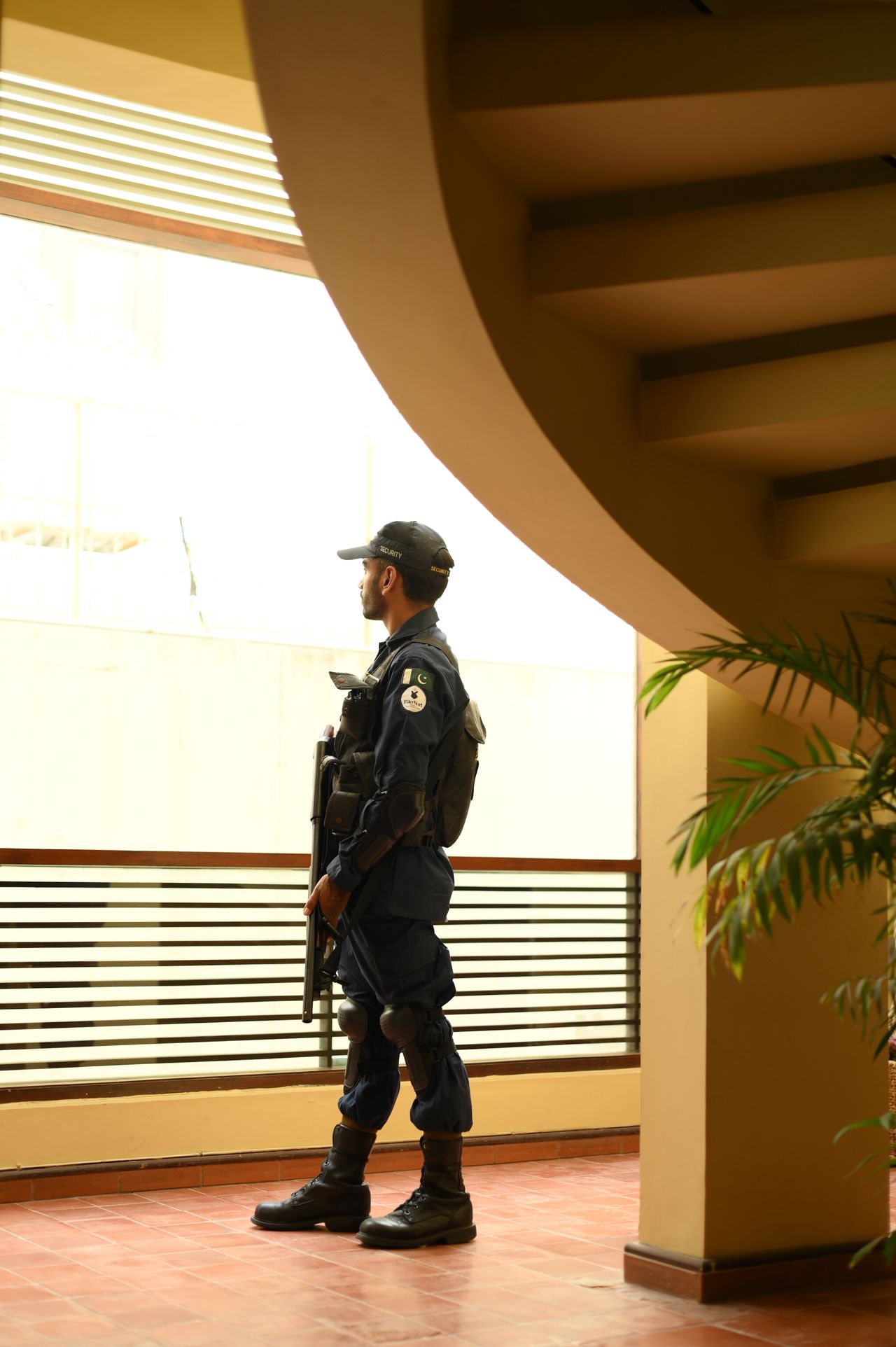
Uniformed Security Guards vs. Executive Protection: Choosing the Right Service for Your Southern California Business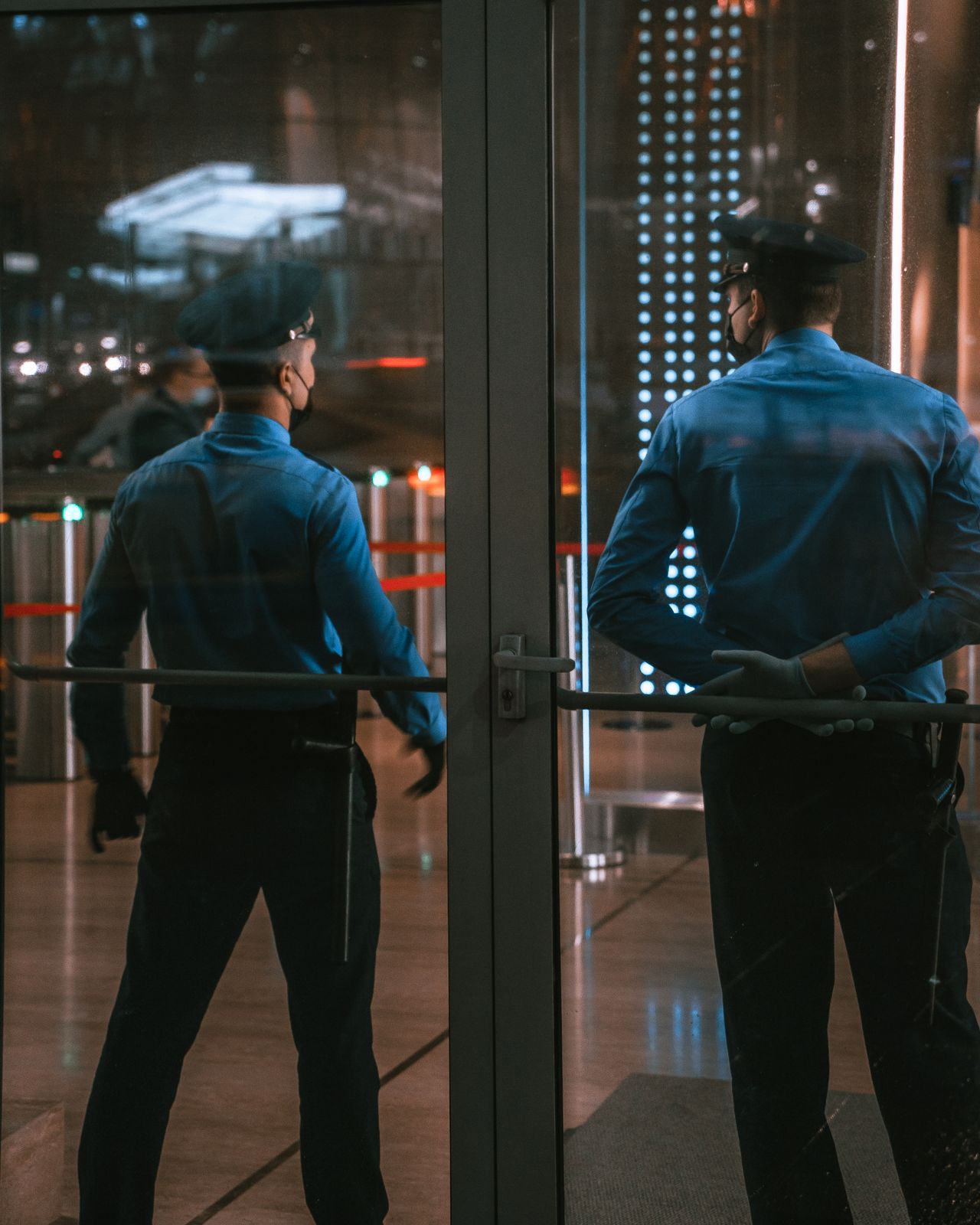
Holiday Retail Security in Southern California: Staffing the Q4 Surge Before Black Friday
Workplace Violence Restraining Orders in California: What They Do, and Where Security Fits
California SB 553: What a Workplace Violence Prevention Plan Requires, and Where Security Fits
What Does Executive Protection Cost, and What Actually Drives the Price?
Executive Protection for University Presidents and Campus Leadership: Security Planning for the Fall Semester
Executive Protection for Political Candidates and Campaign Events: Security Planning for the 2026 Campaign Season
Executive Protection for Business Conferences and Trade Shows: Security for High-Exposure Events